Main Act Studio · privacy choice
Measure the practice, not the person.
Choose what Main Act measures.
Optional analytics can include page and feature use, session timing, and, when signed in, your account ID. It excludes passwords, card numbers, selected or microphone audio, and private training answers. Main Act does not sell personal information or use advertising cookies. Essential only keeps every lesson available; operational security and error diagnostics still run.
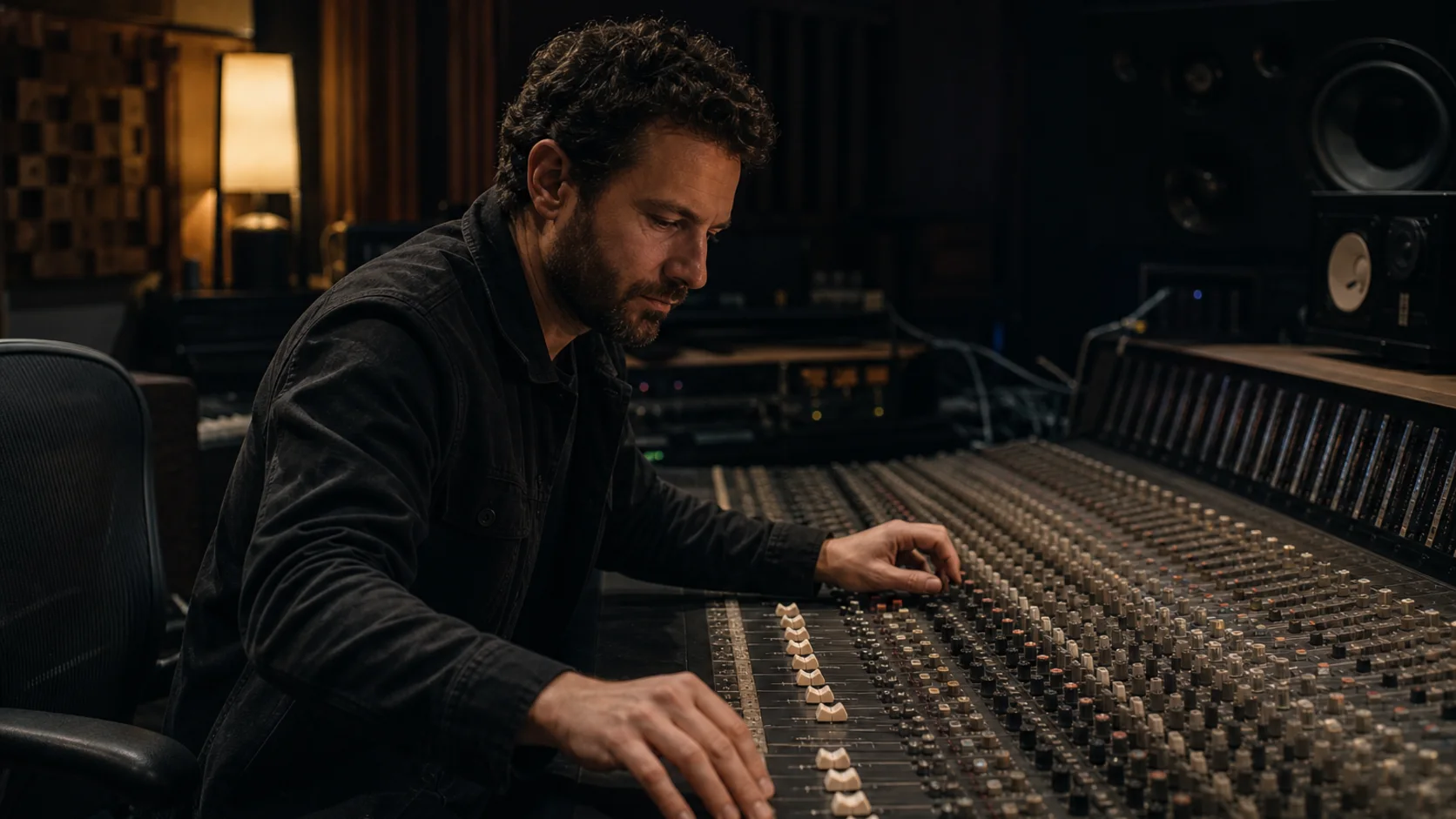
For producers mixing their own music
Hear the mix before you touch a control.
Start free with a bounce you are working on, or with a two-minute A/B ear check. See which frequency regions need work, then train EQ, compression, balance, space, masking, and reference judgement with short adaptive reps.
Your bounce stays in this browserEar check: 10 A/B calls, about 2 minutesNo signup
Already training?
Studio Mix · first signal
Listen → read → train
01 · Benchmark
Ten progressive A/B calls in about two minutes.
02 · Readout
See the frequency regions your ear missed, without a fake percentile.
03 · Reps
Carry that weak spot into short adaptive Studio Mix practice.
96
Interactive Drills
817
Knowledge Cards
9
Belt Levels
How Studio Mix works
Hear the problem, then practise the fix
Find what your ear misses, practise one mix decision, and review the reason before moving on.
Ear Training
96 interactive drills across EQ, compression, reverb, panning, feedback, and more. The music comes from 59 stem sets across 8 genres, separated from generated full-band songs.
Knowledge System
817 flashcards with spaced repetition. The science-backed way to retain mixing theory, gear knowledge, and techniques.
Daily Sessions
Structured practice sessions that adapt to your skill level. Warm up, train, and reflect, every day. Free accounts get the full session.
Belt Progression
9 belt ranks from white to black. The system gets harder as you improve, keeping you in the growth zone.
Reference Library
31 recordings across 9 genres, with 47 listening focuses written for mixers. Pick one, such as how the bass supports the guitar without masking it, and prompts timed to the track tell you what to listen for. A few questions at the end check what you heard.
Free warmup · no account
Make one mix move with your ears
Try the same A/B listening method used in the full diagnostic, then see how that frequency affects a mix.
Main Act · three-listen warmup
Hear the move. Name the band.
A short, unscored studio rep: compare the untouched mix with one broad EQ boost, then identify what moved forward.
1
Hear flat
2
Compare boost
3
Sign the band
Three distinct bands · about 45 seconds · headphones recommended
Train in Your Genre
Every genre has different mixing conventions. We train you in yours.
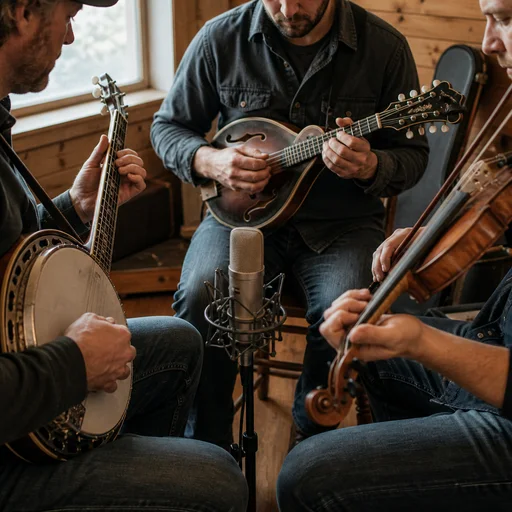
Bluegrass
Acoustic string band mixing, banjo, mandolin, fiddle, guitar, upright bass

Folk / Singer-Songwriter
Intimate acoustic mixing, guitar, vocals, subtle arrangements
Pop / Top 40
Modern pop production, vocals forward, polished, loud, wide
Rock / Alternative
Guitar-driven mixing: amps, drums, dense midrange, room sound
Electronic / EDM
Synthetic sources: stereo imaging, sidechain, sound design, sub management
Country
Modern and traditional country, pedal steel, fiddle, twang, Nashville production
Metal / Heavy Rock
Extreme low-end, high-gain guitars, fast drums, dense layering
Jazz
Dynamic range, minimal processing, room capture, acoustic nuance
How It Works
 Step 1
Get Your Plan
Pick your genre and mode. Start free.
 Step 2
Train Daily
3-5 drills a day builds real skill. Our session engine guides you.
 Step 3
Earn Belts
Track progress, master frequencies your peers can't hear.
One plan for your mix practice
Start free. Upgrade when you want the full adaptive drill library.
Free
- Your daily session
- 3 drills/day plus today's console exercise
- 5 extra review cards/day
- 1 genre
- Belt progression up to green
Guided lessons and reviews in your daily session stay available and do not use this card allowance.
Yearly
7-day free trial
Billed as $95/year after the trial Save 53%
- Studio Mix, Live Sound, and Lighting
- All genres, unlimited drills
- Full belt progression to black
- Unlimited knowledge cards
- Daily adaptive sessions
- Field work assignments
Monthly
7-day free trial
Full access, cancel anytime
- Studio Mix, Live Sound, and Lighting
- All genres, unlimited drills
- Full belt progression to black
- Unlimited knowledge cards
- Daily adaptive sessions
- Field work assignments
Lifetime
One payment, no renewal. A one-time ear trainer such as Train Your Ears covers EQ; this covers Studio Mix, Live Sound, and Lighting for good.
- Studio Mix, Live Sound, and Lighting
- All genres, unlimited drills
- Full belt progression to black
- Unlimited knowledge cards
- Daily adaptive sessions
- Field work assignments
The Studio plan covers Studio Mix, Live Sound, and Lighting on one account and one belt path, monthly, yearly, or once.
Also included in your plan: Live Sound and Lighting, on the same account and belt path. Also sing or write? The Everything plan adds Vocals, Songwriting, and Repertoire.
Not ready to sign up yet?
Get a free ear training tip every week. No spam, unsubscribe anytime.
How Studio Mix compares
Already using something else for ear training or mixing education? See how the approaches differ.
Ear training compared head to head
Daily drills vs Graham's video courses
Drumeo, Pianote, Guitareo bundle
Why free tutorials aren't free
Active drilling vs watching pros
Project classes vs daily practice
Frequently Asked Questions
Do I need expensive gear?
No. All drills work with any headphones. Studio monitors help but aren't required.
I'm a beginner. Is this for me?
Yes. Start at white belt with fundamental exercises. The system adapts to your level.
How is this different from YouTube tutorials?
Active training vs passive watching. You practice identifying frequencies, matching compression settings, and making mix decisions, not just watching someone else do it.
Studio Mix or Live Sound?
Pick either, or both. They share the same belt system but focus on different skills.
Can I cancel anytime?
Yes, cancel through your account. Keep access through your billing period.
What does my subscription include?
Studio Mix is part of the Studio system, alongside Live Sound and Lighting. The Studio plan unlocks all three. The Everything plan adds the Artist system on top: Vocals, Songwriting, and Repertoire, for six schools on one account and one belt path.
Is this for beatmakers?
Not for sound design. Studio Mix trains mixing decisions (EQ, compression, balance, space), not synthesis, sampling, or building a beat. If you mix your own beats, the mixing half applies.
Is this for podcasters?
No. The drills are built on music: band stems, instrument balance, and musical space. Dialogue editing, cleaning up spoken-word recordings, and podcast delivery are not covered.
Your first signal is free
Stop wondering. Hear the next move.
Ten A/B calls. About two minutes. A real weak-band read before we ask you to create an account.